Understanding North Texas begins with understanding its counties, growth corridors, and communities. This guide provides an overview of the Metroplex and the areas we serve throughout Denton, Dallas, Collin, Tarrant, and Ellis Counties.
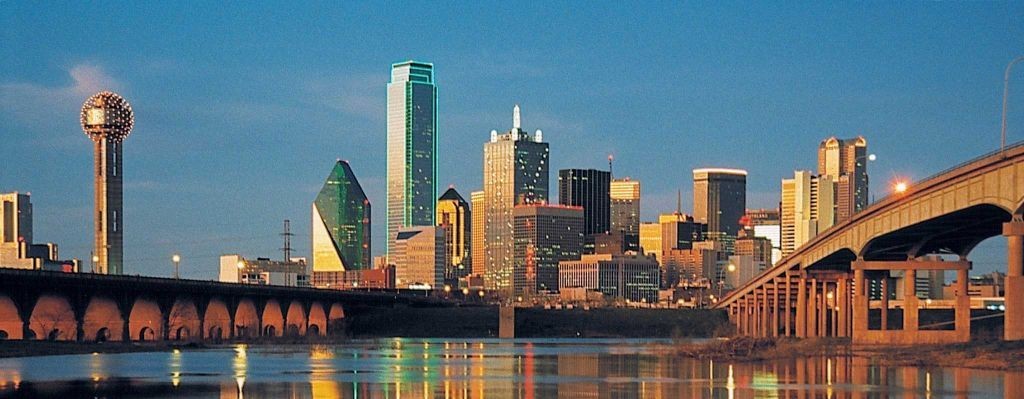
Dallas and Fort Worth serve as the two major anchors of the Metroplex, but much of the region’s growth is happening in the surrounding suburban communities connected to them.
Dallas tends to feel denser, faster-moving, and more interconnected with corporate growth, business centers, and large-scale suburban expansion extending north and east. In many ways, Dallas carries a more polished, East Coast energy — luxury cars, upscale retail, corporate campuses, and a more fast-paced suburban culture.
Fort Worth historically developed differently. While the city has grown rapidly and modernized significantly, it still maintains a more grounded Texas identity in many areas. The culture often feels more relaxed and traditionally Texan — pickups, boots, livestock shows, and a stronger connection to the region’s western heritage — even as major development continues expanding northward through Alliance and the I-35W corridor.
DFW International Airport sits roughly between Dallas and Fort Worth and functions as one of the major geographic and economic anchors of the region. Many of the Metroplex’s fastest-growing counties expand outward north and south from that central corridor. Denton and Collin Counties sit north of the airport and continue absorbing significant residential and corporate growth, while Ellis County has emerged as part of the expanding southern growth corridor.
Most buyers moving to North Texas eventually realize they are not simply choosing between Dallas and Fort Worth.
They are choosing between very different growth patterns, infrastructure systems, development styles, community structures, and lifestyles spread throughout the larger Metroplex.
That’s why understanding the counties and corridors surrounding the urban cores often matters just as much as understanding the cities themselves.
The Dallas-Fort Worth Metroplex is organized around major transportation corridors, employment centers, and growth patterns that continue expanding outward from Dallas, Fort Worth, and DFW International Airport. Understanding these relationships can make it easier to identify communities that fit your lifestyle, commute needs, and long-term goals.

While Dallas and Fort Worth anchor the Metroplex, many of the decisions buyers face are shaped at the county level. Development patterns, transportation corridors, tax structures, schools, infrastructure, and future growth often vary significantly from one county to another. The communities we serve span five of the Metroplex’s most important counties, each offering a distinct mix of lifestyle, housing opportunities, and growth patterns.
DENTON COUNTY
One of the fastest-growing counties in Texas, Denton County combines established communities, master-planned developments, and active-adult living. Communities such as Flower Mound, Argyle, Northlake, Justin, Harvest, Pecan Square, Aubrey, and Robson Ranch continue attracting buyers seeking space, new construction, strong schools, and access to both Dallas and Fort Worth. Denton County is also home to Robson Ranch, one of the premier active-adult resort communities in the Dallas-Fort Worth Metroplex.
COLLIN COUNTY
Collin County has become one of North Texas’ most recognized growth centers, driven by corporate expansion, strong schools, and master-planned development. Communities such as Frisco, Prosper, Celina, McKinney, Allen, Plano, and parts of The Colony continue attracting relocating families and professionals seeking access to employment centers, newer housing, and expanding amenities.
TARRANT COUNTY
Anchored by Fort Worth, Tarrant County offers a blend of established neighborhoods, employment centers, and rapidly growing suburban corridors. Communities such as Southlake, Grapevine, Keller, Haslet, North Fort Worth, Alliance, and Eagle Mountain continue drawing buyers seeking convenience, transportation access, and a distinctly Fort Worth-centered lifestyle.
DALLAS COUNTY
Dallas County serves as the economic and cultural center of much of North Texas. Communities such as Dallas, Irving, Coppell, Richardson, Garland, and Mesquite provide a mix of urban, suburban, and employment-centered living environments. The county remains a major destination for buyers prioritizing access to business centers, healthcare systems, universities, airports, and established infrastructure.
ELLIS COUNTY
Located south of Dallas, Ellis County has emerged as one of the Metroplex’s most important southern growth corridors. Communities such as Waxahachie, Midlothian, Red Oak, Ovilla, and Ennis continue attracting buyers looking for additional space, newer housing opportunities, and access to the Metroplex while maintaining a more relaxed pace of life.